
Getting started · 6 minute read
How to begin memorizing Quran with a plan you can keep
A strong memorization plan is not the one with the largest daily target. It is the one you can repeat consistently while maintaining correct recitation and reviewing what you have already learned.
Choose a dependable daily time
Attach memorization to a part of your day that already happens, such as after Fajr or before sleeping. Begin with 15 to 20 focused minutes rather than waiting for a completely free hour.
Keep the first target small
- Listen to a trusted recitation of the selected ayat.
- Read while looking at the mushaf and correct pronunciation first.
- Repeat one short phrase until it can be recited without looking.
- Connect the phrases, then recite the complete passage.
- Review it again later in the same day.
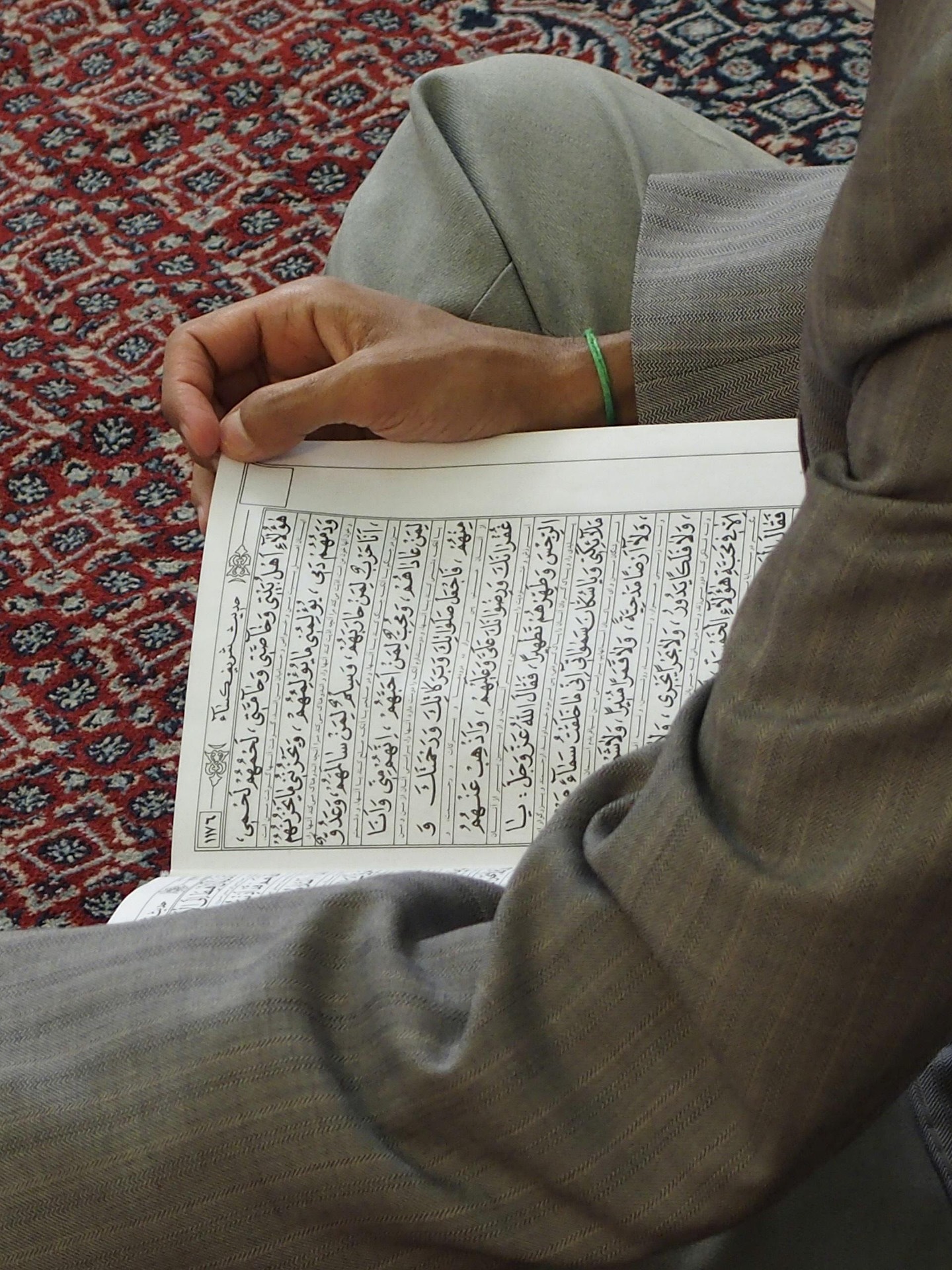
Retention · 7 minute read
A simple review system for stronger Quran memorization
New memorization receives most of our attention because progress feels visible. Long-term hifz, however, depends on review.
New, recent, and established
- New: The ayat memorized today. Repeat them several times throughout the day.
- Recent: Material from the last seven days. Review it daily before adding more.
- Established: Older memorization. Rotate through it on a weekly schedule.
If recent material begins to weaken, pause or reduce new memorization. Strengthening what you carry is progress.

Consistency · 5 minute read
What to do when Quran memorization feels difficult
Some days memorization feels clear and encouraging. On other days, familiar ayat feel distant. A sustainable practice makes room for both.
Lower the target without leaving the Quran
When a normal session feels difficult, switch to a minimum session: listen to the passage, review a few lines, or recite one page you know well.
Return to meaning and intention
Read a reliable translation and reflect on the passage you are memorizing. Renewing your intention can turn repetition from a task into worship.

Tajweed · 5 minute read
Why correct recitation should come before speed
It is tempting to memorize quickly, but incorrect pronunciation can become fixed in memory. Correct tajweed early saves months of correction later.
Recite slowly, pause at unfamiliar words, and ask for feedback from a qualified teacher whenever possible. Accuracy first, pace second.
Habit · 4 minute read
Memorizing after Fajr: a quiet start to the day
The early morning often offers the clearest mind and the fewest interruptions. Even 10 to 15 minutes after Fajr can become the anchor of your hifz routine.
Prepare your mushaf the night before, choose the ayat in advance, and begin immediately after prayer while the day is still calm.
Method · 6 minute read
How to use repetition without burning out
Repetition is essential, but mindless repetition can create fatigue without retention. Alternate between reading, listening, and reciting from memory.
Break a passage into smaller units, master each one, then combine them. Short focused cycles are often more effective than one long exhausting session.
Planning · 5 minute read
Planning your hifz juz by juz
Memorizing the entire Quran becomes more manageable when each juz is treated as its own milestone. Set realistic weekly targets based on your schedule and review capacity.
Celebrate completion of each juz, but do not move forward if recent material is unstable. A strong foundation in one juz supports the next.

Review · 6 minute read
How to protect what you already memorized
Many people lose hifz not because they stopped memorizing, but because they stopped reviewing. Older memorization needs a fixed place in your weekly schedule.
Rotate through past juz, recite in salah when possible, and identify weak pages before they fade completely.

Spirituality · 4 minute read
Building intention and barakah in memorization
Begin each session by renewing your intention. Memorization is not only about quantity. It is about drawing closer to the words of Allah.
Reflect on meaning, make dua before and after your session, and ask Allah to make the Quran a companion in your life.
Life · 5 minute read
Memorization for busy professionals and students
You do not need a free hour to make progress. Two or three short sessions across the day can be enough if they are consistent.
Use commute time for listening, lunch breaks for quick review, and one focused block for new memorization when your mind is freshest.
Audio · 4 minute read
Using listening to strengthen memorization
Listening to a trusted qari helps your ear recognize correct rhythm, madd, and stopping points. Repeat the same passage multiple times until it feels familiar.
Combine listening with reading and reciting from memory. Each mode reinforces the others and builds confidence.